Robin’s Review of The Tree of Symptoms
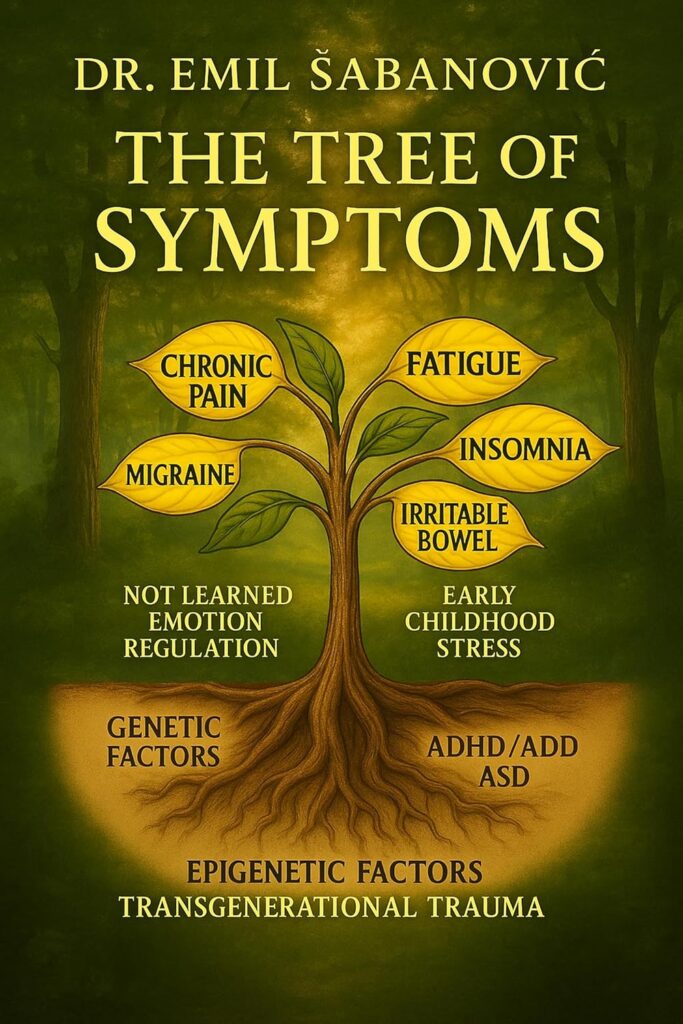
Title: The Tree of Symptoms
Author: Emil Šabanović
Genres: Popular Psychology & Medicine, Medical Books
Pages: 134
Source: Kindle, Paperback, Hardcover
The Tree of Symptoms
Persistent symptoms are not random; they’re often the body’s way of keeping unfinished stories alive.
In The Tree of Symptoms, psychiatrist Emil Šabanović guides readers through the landscape of psychosomatic medicine with the precision of a clinician and the clarity of a storyteller.
Through real-world cases and simple metaphors, he reveals how body, biography, and biology form one living system, and how understanding that system changes the way we treat, teach, and live.
Robin’s Review
Triggers: Chronic illness and unexplained symptoms, medical gaslighting by implication, trauma and early stress, talk of anxiety and depression, references to transgenerational trauma, body focused distress, subtle burnout vibes for clinicians.
What Did I Just Walk Into?
A psychiatrist looked at the usual medical shrug of your tests are normal and decided absolutely not. Instead of blaming patients for being mysterious and difficult, he built a metaphorical tree to explain how symptoms hang out in the leaves while the real mess lives in the roots. Then he turned that into a book that feels like getting a masterclass and a kind clinic visit at the same time. This is psychosomatic medicine written for humans who do not want to read a dry manual but also do not want glittery wellness nonsense.
Here’s What Slapped:
The central tree metaphor is annoyingly effective. Leaves as symptoms, trunk as development and behavior, roots as biology and history, soil as generational influences. It sounds simple, then you realize it quietly rearranged how you think about your own body.
Mr. Šabanović has that rare clinician voice that can handle words like epigenetics, telomeres, autonomic nervous system, and still sound like an actual person you could talk to in a hallway. The science is there, just woven into stories, case composites, and images patients actually understand.
The structure, moving through biology, assessment, psychoeducation, body based work, schema therapy, ISTDP, and complex cases, feels like following a thoughtful guide through a very confusing forest. He keeps pausing to ask your perspective, your practice, which is code for please use your brain and not just memorize buzzwords.
The clinical vignettes manage to be compassionate without turning patients into trauma zoo exhibits. The emphasis on collaboration, curiosity, and flexible methods is a breath of fresh air compared to one true therapy cult thinking.
What Could’ve Been Better:
If you are looking for a step by step protocol you can slap on every patient, this book will annoy you. It meanders on purpose. At times the reflective tone circles back over the same images and ideas, which I liked, but readers who want bullet point hacks may get twitchy. A few more concrete how to scripts for explaining concepts to patients would have been a nice bonus for overworked clinicians.
Perfect for Readers Who Love:
Psychology that respects both data and story, Gabor Maté, Bessel van der Kolk, thoughtful psychosomatic work, and books that make you feel slightly called out in a good way.
Reviewed by Robin for Robin’s Review
Walk With Me Into the Dark